
Understanding Kabru’s True Motives: Why He Actually Hates Dungeon Food in Delicious in Dungeon
If you’ve spent any time in the fandom around Delicious in Dungeon, you’ve probably noticed something funny. Most characters react to monsters the same way food bloggers react to a new restaurant—curious, excited, maybe a little nervous but willing to try.
Then there’s Kabru.
While Laios Touden is happily brainstorming new recipes for giant scorpions and walking mushrooms, Kabru looks at the same meal like someone just served him a plate of pure nightmare fuel.
At first glance, it’s easy to write him off as the picky eater of the party. But the deeper the story goes, the clearer it becomes that Kabru’s refusal to eat dungeon food isn’t just personal preference—it’s a psychological scar that defines his entire worldview.
And honestly? Once you understand his story, his reaction makes perfect sense.
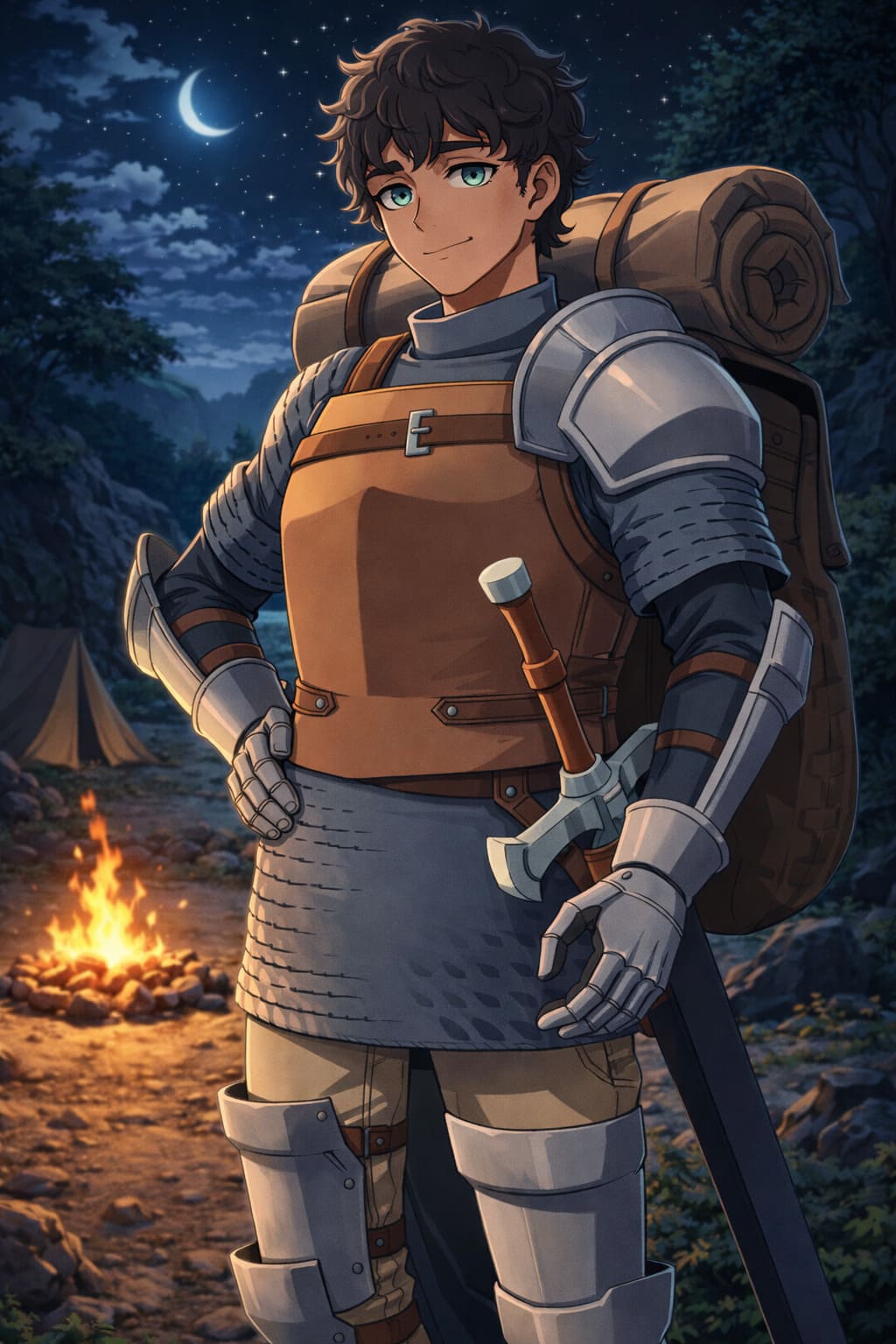
The Utaya Massacre: The Moment That Shaped Kabru
Long before the main events of Dungeon Meshi, Kabru’s life was shattered by a single catastrophic event.
Fifteen years earlier, monsters flooded out of a dungeon and completely destroyed his hometown, Utaya. It wasn’t just a battle or a raid. It was a massacre.
Kabru watched people he loved—friends, neighbors, family—die in front of him.
To most adventurers in the series, monsters are just dangerous wildlife. But to Kabru, they’re something else entirely.
They are the creatures that erased his entire world.
That difference in perspective changes everything.
While Laios sees monsters as fascinating parts of a strange ecosystem, Kabru sees them as unnatural predators that should never exist outside the dungeon.
So when someone suggests eating one?
From Kabru’s point of view, that’s not adventurous. It’s disturbing.
Why Kabru Refuses Dungeon Food
Kabru’s disgust toward monster cuisine isn’t about taste. It runs far deeper than that.
Three major psychological factors shape his reaction.
Mithrun Explained: The Tragic Backstory and Terrifying Powers of the Elf Captain
1. Monsters Are Linked to Trauma
In the Utaya disaster, humans weren’t just killed—they were hunted and eaten.
That memory creates a horrifying mental association. The act of eating monsters blurs the line between predator and prey in a way Kabru simply cannot accept.
To him, consuming monster meat almost feels like becoming part of the same cycle of violence that destroyed his home.
2. Kabru Studies People, Not Monsters
Another interesting contrast between Kabru and Laios is their intellectual focus.
| Character | Primary Interest | Skillset |
|---|---|---|
| Laios | Monster biology | Ecology, hunting, cooking |
| Kabru | Human behavior | Politics, strategy, psychology |
Laios approaches the dungeon like a naturalist exploring a strange ecosystem.
Kabru approaches it like a detective analyzing a crime scene.
His obsession isn’t with creatures—it’s with people. He studies how adventurers behave, who can be trusted, and who might become a danger to everyone else.
This is why Kabru’s party often struggles with monsters. His expertise lies in human conflict, not dungeon ecology.
3. The Harpy Omelette Moment
One of the most revealing moments in the series involves a seemingly harmless dish: a rolled harpy omelette offered by Laios.
Instead of curiosity or hesitation, Kabru experiences something much darker—an intrusive thought about killing Laios just to avoid eating it.
It’s a shocking moment, but it’s also extremely telling.
This isn’t simple disgust.
It’s a PTSD-triggered panic response. The idea of monster food entering his body feels deeply wrong on a subconscious level.
Kabru as the “Anti-Laios”
Fans often describe Kabru as the mirror opposite of Laios, and honestly, that comparison fits perfectly.
Where Laios represents curiosity about the dungeon, Kabru represents fear of what it can do to the world.
Their motivations couldn’t be more different.
- Laios explores the dungeon
- Kabru wants to control it
Kabru isn’t chasing treasure or adventure. His goals are far more pragmatic.
Kabru’s True Objectives
- Prevent another Utaya-style catastrophe
- Find someone capable of conquering the dungeon responsibly
- Ensure humanity isn’t dependent on outside powers
In other words, Kabru isn’t just thinking about surviving the dungeon.
He’s thinking about what happens after someone wins.
The Political Side of Kabru
Another layer that makes Kabru fascinating is his upbringing.
He was raised under the guidance of Milsiril, an elven vice commander, which gave him a rare perspective on the political tension between races in the series.
In the world of Dungeon Meshi, long-lived races like elves often see humans as reckless and short-sighted.
Kabru understands this dynamic better than most humans.
And he doesn’t like it.
Part of his long-term motivation is ensuring that humanity doesn’t remain dependent on elven authority to solve dungeon problems.
It’s a subtle political angle that adds surprising depth to his character.
A Social Genius in a Monster World
Another reason Kabru stands out is his unique skillset.
While most adventurers specialize in combat or magic, Kabru excels at something else entirely.
Reading people.
He’s incredibly good at:
- Understanding motivations
- Predicting betrayal
- Manipulating social situations
This makes him one of the most dangerous characters in the series—even if his party struggles against monsters.
Some fans even joke that Kabru is playing PvP while everyone else is playing PvE.
And honestly, that description isn’t far off.
The Real Tragedy of Kabru
What makes Kabru such a compelling character is that his fear is completely justified.
The dungeon really is dangerous.
It really can destroy entire towns.
And it really does warp people who become obsessed with it.
Kabru isn’t paranoid.
He’s realistic.
But that realism also isolates him from characters like Laios, who find wonder in the dungeon rather than dread.
Final Thoughts
Kabru might never enjoy dungeon cuisine, and honestly, he probably never needs to.
His role in Delicious in Dungeon isn’t to appreciate monsters.
It’s to remind everyone what monsters actually are.
Where Laios represents curiosity and discovery, Kabru represents caution and survival.
And in a world as dangerous as the dungeon, you probably need both.


