
The Meaning Behind Serafina’s Engagement Collar Explained
When I first started watching The Warrior Princess and the Barbaric King (Himekishi wa Barbaroi no Yome), I honestly expected a fairly standard dark fantasy romance built around the familiar “captive princess” trope.
Instead, what I got was a much more layered story that constantly challenges how both characters and viewers interpret power, culture, and consent.
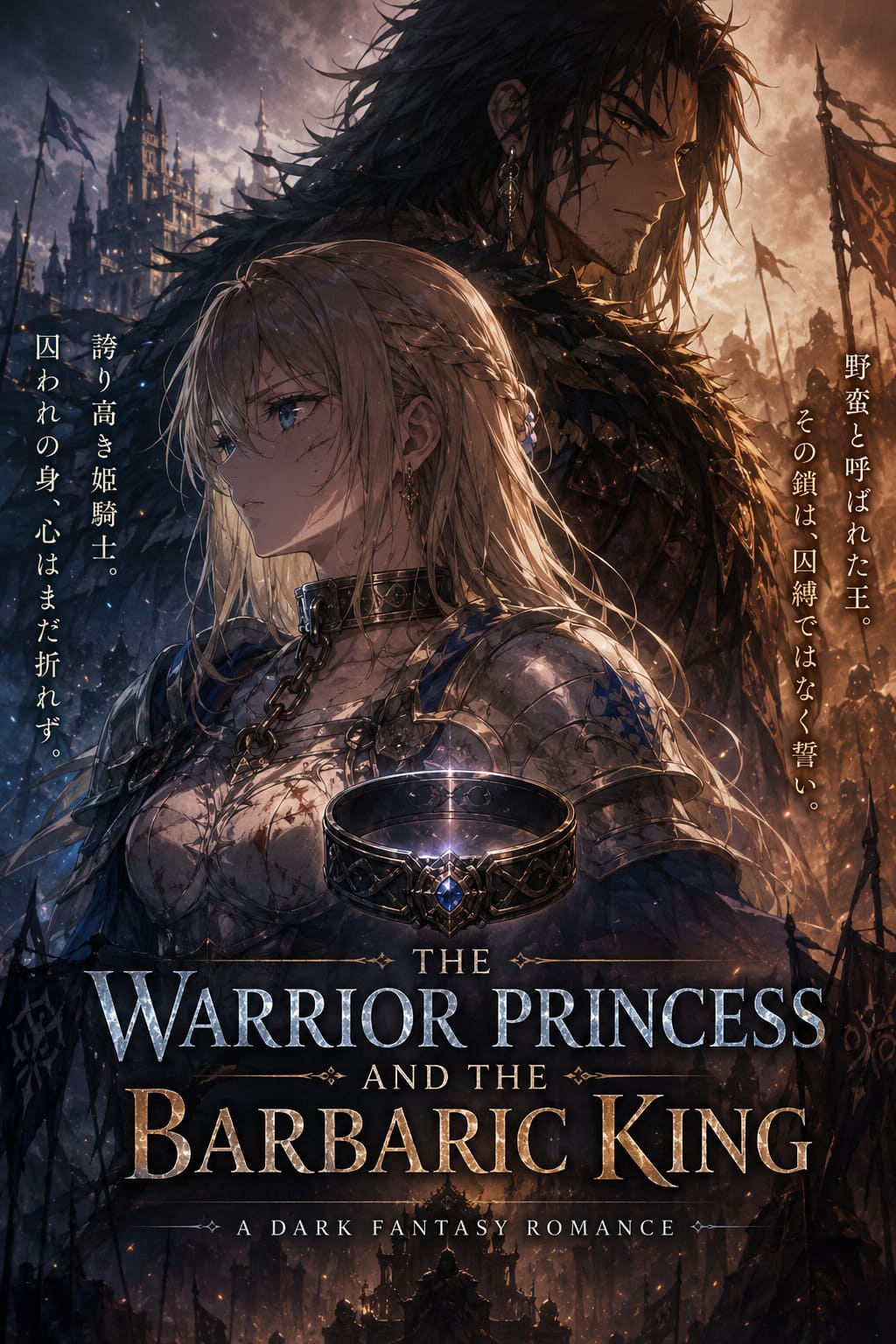
One of the most controversial and heavily discussed elements in the series is Serafina’s engagement collar. At first glance, it looks like a straightforward symbol of captivity.
But as the narrative develops, it becomes clear that the collar is not just a prop—it is a central thematic device that redefines how the story approaches culture clash and romantic development.
The Warrior Princess and the Barbaric King: Veor & Wysteresia Lore Twist Explained
Serafina de Lavillant: A Knight Shaped by a Rigid Worldview
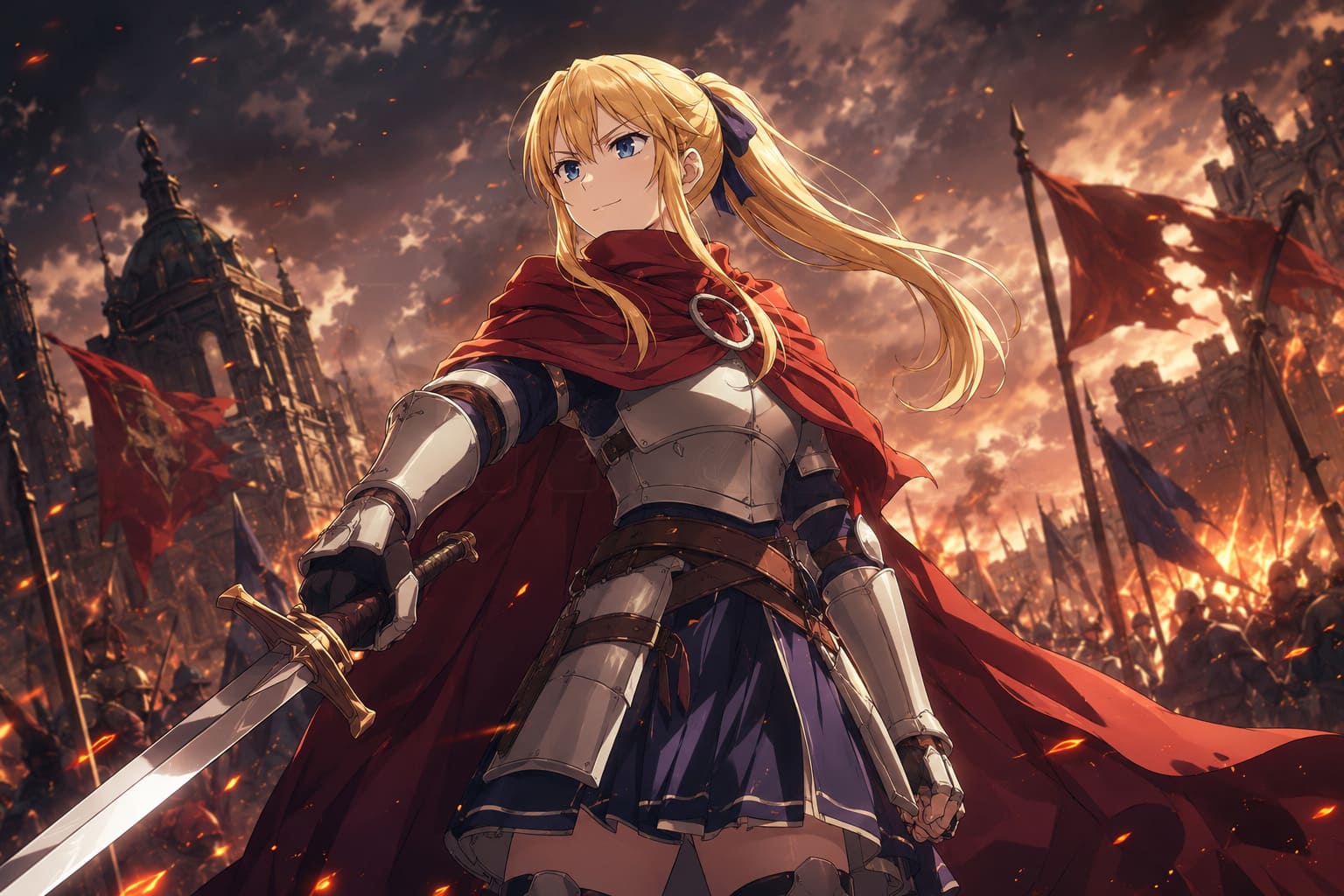
Serafina de Lavillant is introduced as a high-ranking knight commander of the Western Illdoren Kingdom. She is disciplined, physically powerful, and deeply committed to her role as a warrior. Her identity is built entirely around honor, duty, and the belief that her kingdom represents civilization against so-called barbarism.
What makes her compelling is that she is not initially portrayed as naive. She is competent, confident, and fully convinced of her worldview. Her journey begins not with weakness, but with certainty—and that certainty is what eventually gets challenged.
When Serafina leads a military campaign into the Eastern lands, she expects a predictable conquest. Instead, she faces a complete reversal of power that forces her into a situation she has never prepared for: defeat.
Veor: The “Barbaric King” Who Defies the Label
Veor, the leader of the Eastern Cordem tribe, initially appears to fit the archetype of a brutal warlord. He is physically imposing, confident, and commands authority over his people. However, the story quickly reveals that this surface impression is misleading.
Veor is not driven by cruelty or dominance. Instead, he is defined by a strong sense of respect for strength and character. His reaction to defeating Serafina is not to humiliate her, but to recognize her as an equal in potential and spirit.
This is where the story begins to shift its tone. Instead of reinforcing a standard conqueror-captive dynamic, it introduces a cultural framework that reinterprets everything Serafina believes she understands about captivity.
Episode 7 Manga Guide: Where to Read After the Anime
The Engagement Collar: Misinterpretation vs Cultural Meaning
The engagement collar is the most debated symbol in the entire narrative. In Serafina’s cultural understanding, a collar represents ownership, submission, and loss of freedom. However, within the Cordem tribe’s cultural system, its meaning is fundamentally different.
Rather than being a tool of control, the collar represents a transitional status that includes protection, recognition, and formalized courtship. It signals that the wearer is under the direct protection of the tribe’s leader and is not to be harmed or disrespected by others.
In other words, the same object carries two completely different meanings depending on cultural context.
Key interpretations of the engagement collar
In order to understand the narrative intention behind the collar, it helps to break down its symbolic functions:
- Protection: The wearer is shielded from harm within the tribe
- Recognition: Their strength is publicly acknowledged
- Transition: They are in a courtship phase rather than captivity
- Status: They are temporarily placed under the King’s formal responsibility
This reinterpretation is what transforms the collar from a symbol of oppression into a symbol of narrative tension and cultural misunderstanding.
Cultural Conflict as the Core Narrative Engine
One of the strongest aspects of the story is how it builds its conflict around cultural perception rather than simple good-versus-evil dynamics. The Western Illdoren Kingdom and the Eastern Cordem tribe operate under entirely different value systems.
This difference is not just political—it is philosophical. The West interprets power through hierarchy and control, while the East interprets power through recognition and mutual respect.
This creates a constant tension where the same actions are interpreted in radically different ways depending on perspective.
Comparative cultural structure
The contrast between the two societies can be summarized as follows:
| Illdoren Kingdom | Cordem Tribe |
|---|---|
| Power through conquest | Power through recognition |
| Marriage as political tool | Marriage as mutual alliance |
| Rigid social hierarchy | Strength-based respect system |
| Fear-driven order | Protection-driven order |
This structural contrast is what makes Serafina’s experience so transformative, because she is forced to reinterpret everything she believed to be absolute truth.
Serafina’s Psychological Transformation
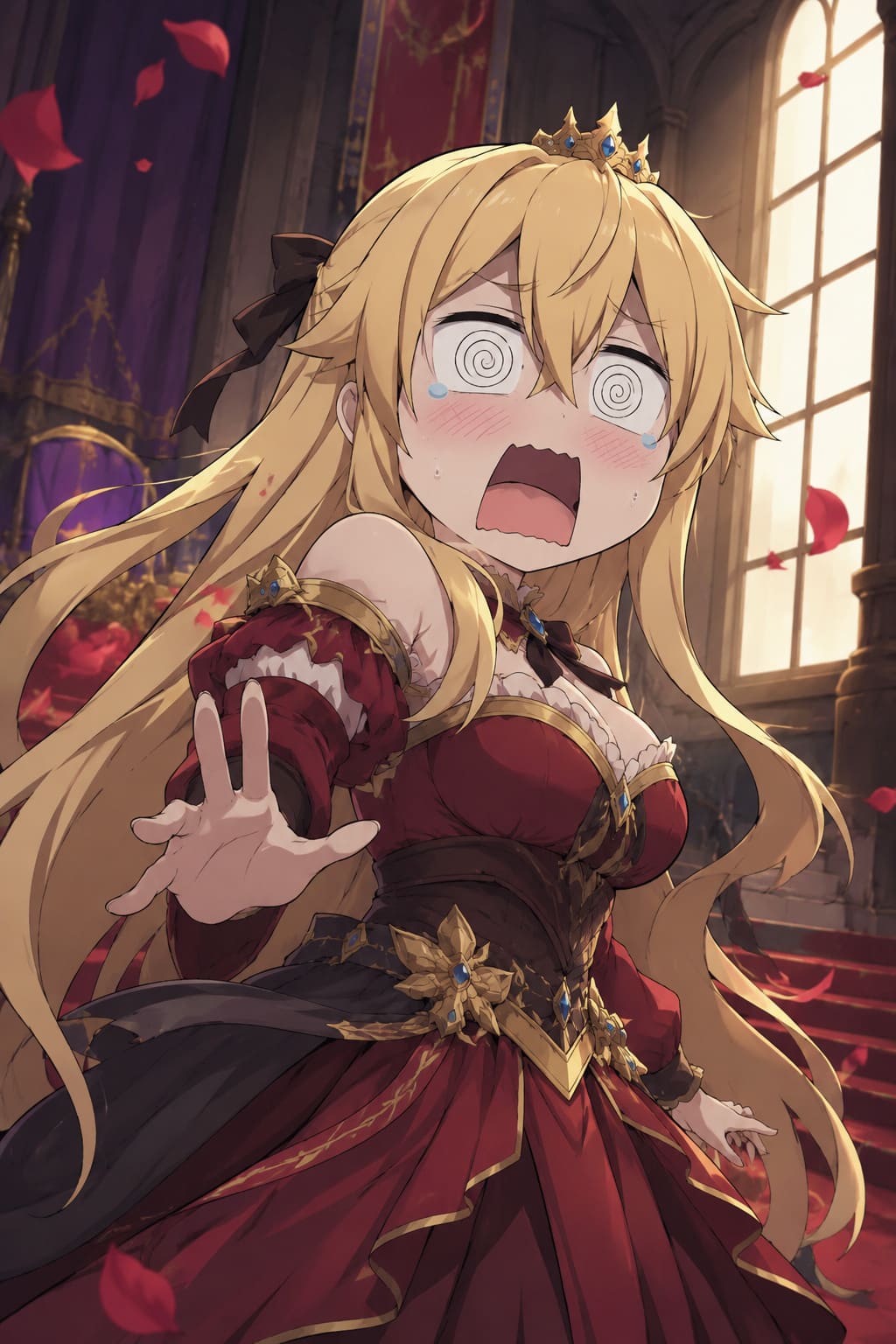
The engagement collar becomes a psychological trigger for Serafina’s gradual transformation. At first, she sees it as humiliation. But as she spends more time within the Cordem tribe, her interpretation begins to shift.
She witnesses behaviors that contradict her expectations: respect instead of abuse, structure instead of chaos, and recognition instead of degradation. These experiences slowly destabilize her original worldview.
What makes this transformation interesting is that it is not immediate or forced. It unfolds gradually through observation, interaction, and emotional conflict.
Stages of her transformation
- Rejection: She refuses to accept any reinterpretation of her situation
- Confusion: Her expectations are consistently contradicted
- Observation: She begins to study the culture around her
- Reevaluation: She questions her original beliefs
- Acceptance: She redefines her understanding of strength and respect
Romance Built on Respect Instead of Control
One of the most surprising aspects of Veor’s character is that he does not attempt to force Serafina into submission. Instead, he explicitly frames their relationship as something that must be earned through mutual understanding.
This creates a dynamic where romance is not driven by dominance, but by gradual emotional alignment. It also reinforces the idea that the engagement collar is not a tool of coercion, but a temporary cultural bridge.
Why the Story Sparks So Much Debate
The series naturally generates divided reactions because it intentionally plays with uncomfortable symbolism. The engagement collar cannot be separated from its visual implication, even if its narrative explanation reframes its meaning.
Some viewers interpret this as a problematic reuse of captivity imagery. Others see it as a deliberate attempt to challenge cultural assumptions about symbolism and meaning.
Both interpretations exist because the story is built on tension rather than resolution.
Conclusion: A Symbol That Forces Interpretation
Ultimately, the engagement collar in The Warrior Princess and the Barbaric King is not just a narrative object—it is a thematic challenge. It forces both the protagonist and the audience to confront the difference between appearance and meaning.
What begins as a symbol of captivity gradually evolves into a representation of cultural misunderstanding, emotional transformation, and shifting identity.
Whether one views it as a clever narrative device or a controversial symbolic choice, it is undeniable that it plays a central role in shaping the story’s emotional and philosophical depth.
And that is exactly why the series continues to generate discussion—it refuses to let its symbols stay simple.


