
Wistoria: Wand and Sword Season 2 Main Antagonist: Who is the Real Villain?
If you thought Season 1 of Wistoria: Wand and Sword was all about classroom tension, social hierarchy, and Will Serfort proving everyone wrong — Season 2 flips the table completely. This isn’t just about rivalry anymore. This is about survival.
And honestly? That’s what makes it so much more exciting.
As a fan who’s been following both the anime and manga discussions, I think calling Season 2’s antagonist a single villain is actually missing the point. What we’re getting instead is a layered conflict — one that feels closer to something like Attack on Titan in its escalation of stakes.
Let’s break it down.
Goetia: The Face of Chaos (But Not the Whole Truth)
At first glance, Goetia looks like your standard shadowy anime villain group — secretive, powerful, and absolutely ruthless. But the more you think about them, the more unsettling they become.
They’re not just evil for the sake of it. They’re organized, patient, and deeply connected to the world’s past — especially the mysterious “Doomsday” event.
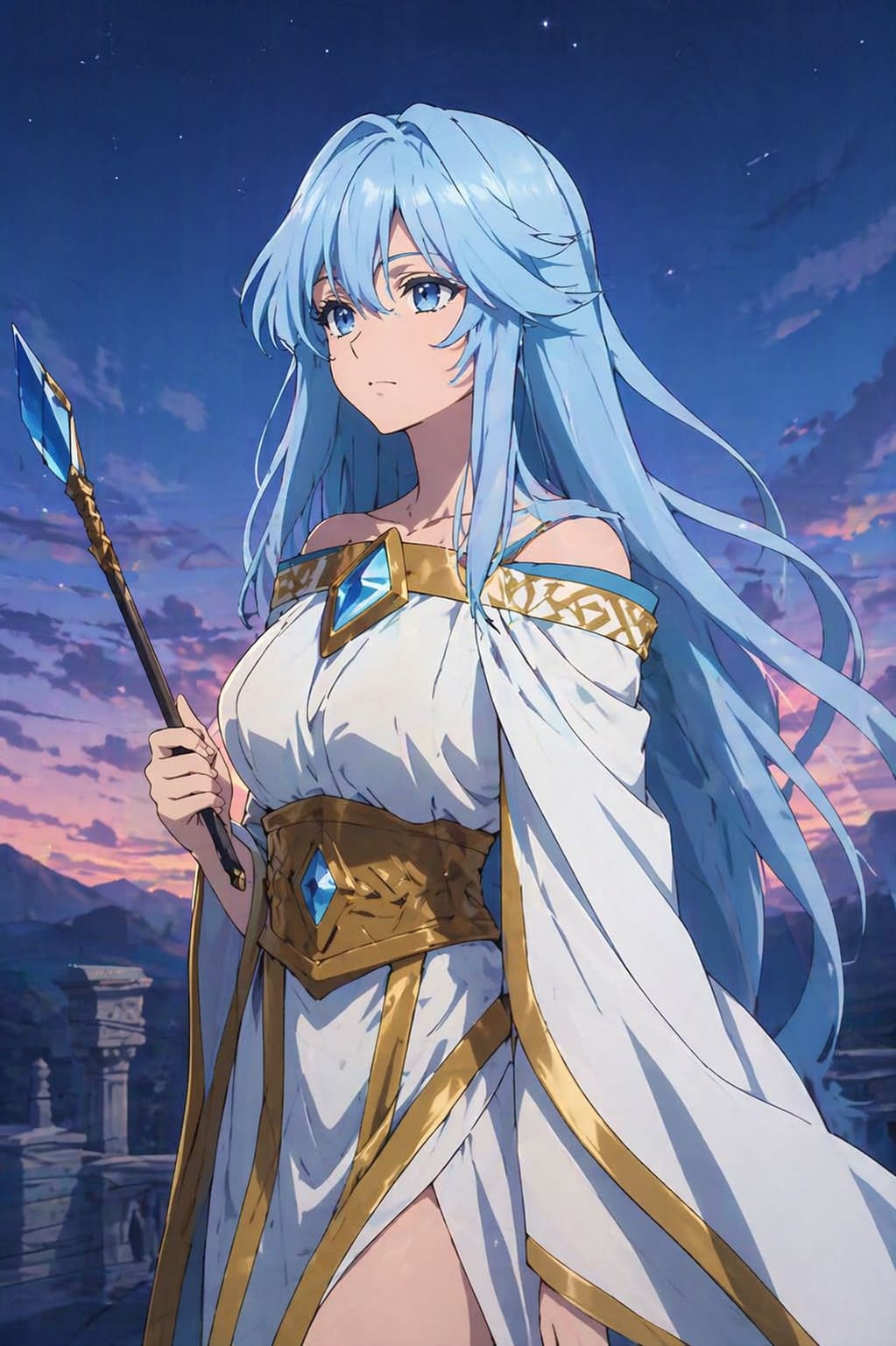
Key Players in Goetia:
- Headless — easily one of the creepiest antagonists introduced so far
- Master of infiltration
- Literally kills and impersonates people (Evan’s situation? Chilling.)
- Feels like a walking paranoia trigger
- Marze — the battlefield commander type
- Leads the large-scale attack on the Academy
- Less subtle, more destructive
- Represents Goetia’s raw power
What makes Goetia stand out is how personal their attacks feel. They’re not just attacking the system — they’re dismantling it from within.
Colette Loiret’s Magic and Deep Feelings for Will in Wistoria: Wand and Sword
The Real Twist: The Enemy Might Be Inside the Tower
Now THIS is where things get interesting.
Season 2 hints heavily that Goetia isn’t acting alone — or at least, not without help. The political structure inside the Tower (Mercedes Caulis) is starting to crack, and honestly, it’s giving major “trust no one” vibes.
There are growing theories (and some manga-backed hints) that key figures might be traitors:
- Bernthal — suspicious movements, unclear motives
- Alvin (Wind faction leader) — possibly playing a long game
- Walther (Dark faction leader) — feels way too comfortable with chaos
If this turns out to be true, then Goetia isn’t just attacking the system — they’re exposing how fragile it already is.
And that’s way more dangerous.
Let’s Talk About the Bigger Threat: The Celestial Invaders
Here’s where Season 2 really levels up its narrative.
Goetia? They might just be the middlemen.
The true endgame revolves around something far more terrifying — the Celestial Invaders, beings from beyond the false sky. And the only thing keeping them out?
The barrier maintained by the Magia Vander.
This shifts the entire story from “Stop the villains” to “Stop the apocalypse.”
And suddenly, everything Goetia is doing starts to feel like part of a much larger, more dangerous plan.
Antagonist Breakdown
| Antagonist | Role | Why They Matter |
|---|---|---|
| Goetia | Secret mage organization | Driving force behind the chaos |
| Headless | Infiltration specialist | Psychological threat, internal sabotage |
| Marze | Combat leader | Direct large-scale destruction |
| Tower Traitors | Political insiders | Could collapse the system from within |
| Celestial Invaders | Existential threat | The true endgame danger |
And Then There’s… Professor Edward
Yeah, he’s still around.
But let’s be real — compared to everything else happening, Professor Edward feels almost… small.
That said, I actually think his role is more interesting now than before.
He represents something grounded: prejudice, rigid systems, and resistance to change.
In a way, he’s a reminder of what Will has already overcome — and what the world used to be before everything started falling apart.

So… Who’s the Real Villain?
Here’s my take, as someone who’s deep into anime discussions and fandom threads:
There is no single villain — and that’s exactly the point.
Season 2 is building a layered conflict where Goetia is the active threat, the Tower elites represent the internal rot, and the Celestial Invaders are the inevitable catastrophe.
And honestly? That combination is what makes the story hit harder.
Because you can defeat a villain, but how do you fight a broken system, hidden betrayal, and an incoming apocalypse all at once?
Final Thoughts
Season 2 of Wistoria feels like the moment the series grows up.
It’s no longer about proving strength — it’s about understanding the world, questioning authority, and facing consequences that are way bigger than any one character.
If the anime adapts this arc well, we could be looking at something seriously special — the kind of arc people compare to peak moments in modern fantasy anime.
And if I had to bet?
The biggest twist is still coming.


